Bi-Fold Doors Ideas: 7 Slim-Frame Designs That Open Up Modern Homes
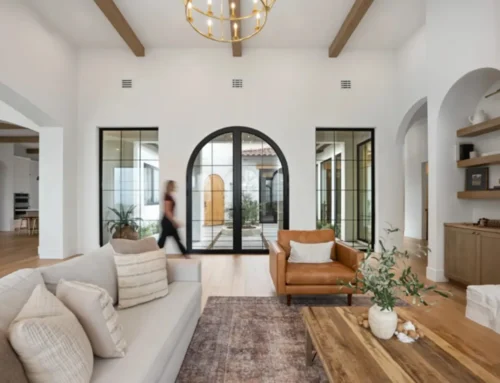
Bi-fold doors ideas start with one principle: maximize glass, minimize frame. The right bi-fold system transforms a wall into an opening, connecting interior and exterior living areas while flooding rooms with natural daylight. Whether you are planning a new build or upgrading an existing home, these seven designs represent the most impactful configurations available today.
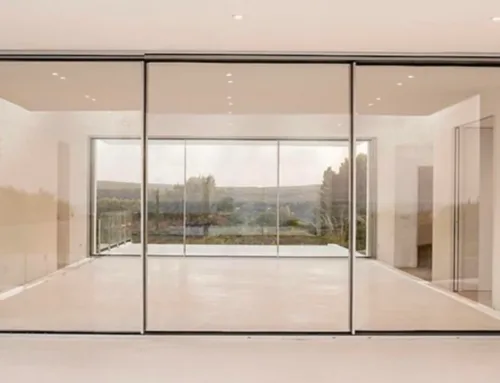
Slim-framed bi-fold doors reduce visible frame width by 20 to 40 percent compared to standard sliding systems, based on manufacturer specifications across major aluminum bi-fold brands. That means more glass per linear foot, cleaner sightlines, and rooms that feel significantly larger without adding square footage. Narrow mullions and precision-engineered hardware keep everything operating smoothly while the frames nearly disappear.
The result is a living space where inside and outside behave as a single area. Pair slim frames with a flush threshold and the visual barrier between your interior floor and your patio, deck, or garden vanishes completely.
Why Bi-Fold Doors Change How a Room Feels
Before diving into specific bi-fold doors ideas, it helps to understand why this door type has such a dramatic impact on a space. Bi-fold patio doors fold and stack out of view to reveal the full width of the opening. Unlike traditional sliding doors that only open 50 percent of the frame, a bi-fold system can expose 85 to 90 percent of the opening depending on panel count, per FGIA (formerly AAMA) configuration standards.
This matters for three reasons. First, the volume of natural light entering the room increases substantially. The U.S. Department of Energy notes that daylighting through high-performance glazing can reduce the need for artificial lighting by up to 80 percent during daylight hours. Second, the perceived size of the room increases because the eye travels through uninterrupted glass to the landscape beyond. Third, the ventilation potential of a fully open bi-fold wall far exceeds any standard door or window configuration.
When comparing builders or suppliers, focus on two specifications: visible glass percentage and hardware placement. Frame slenderness affects perceived space more than trim details or decorative elements.
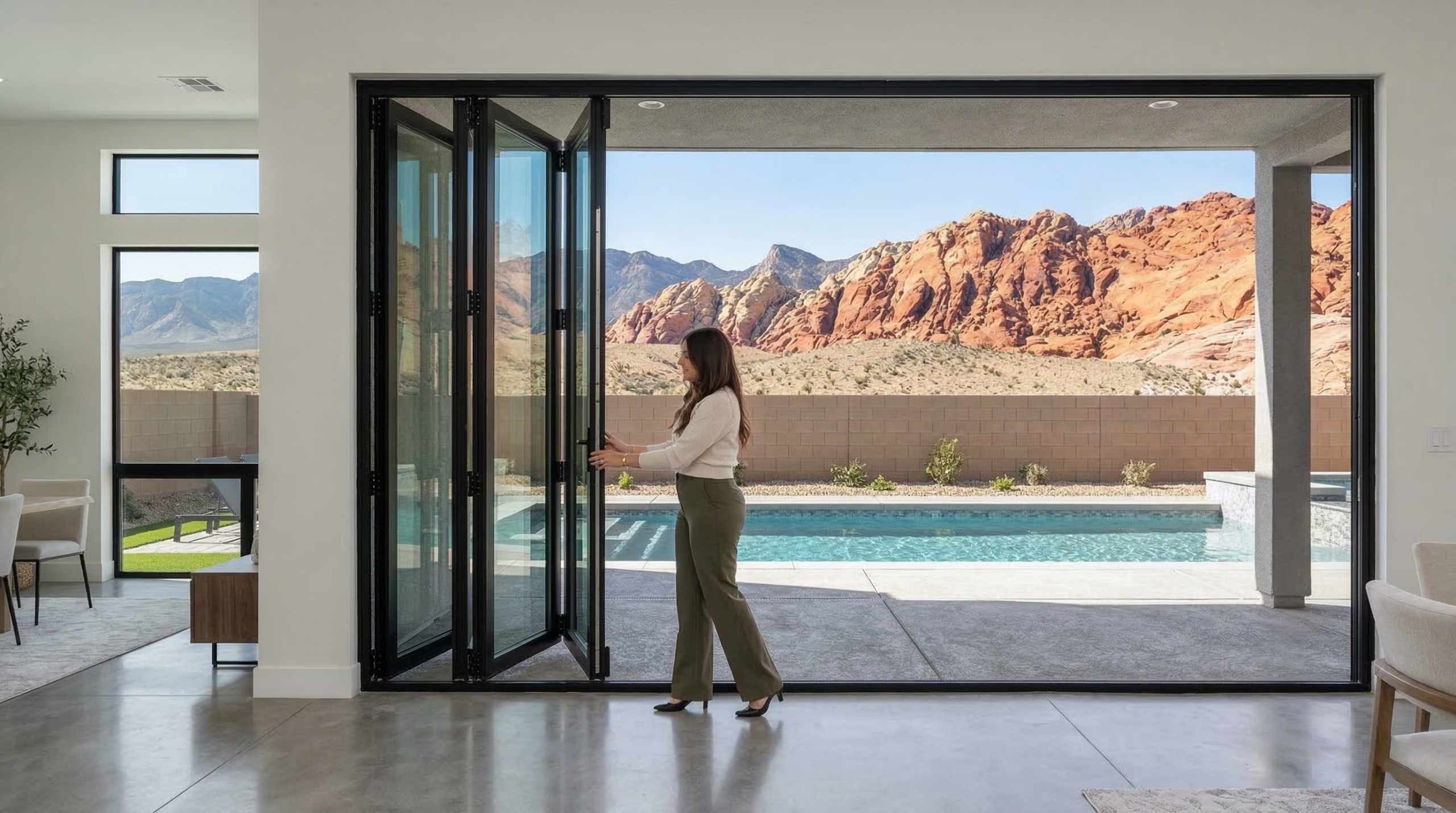
7 Bi-Fold Doors Ideas for Modern Homes
These seven configurations cover the most popular and effective bi-fold doors ideas for residential projects, from floor-to-ceiling statement walls to practical interior applications.
1. Floor-to-Ceiling Bi-Fold Panels for Uninterrupted Views
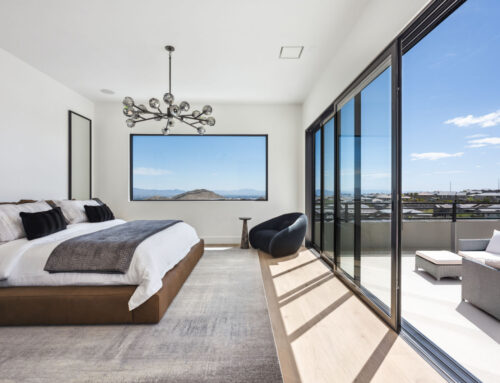
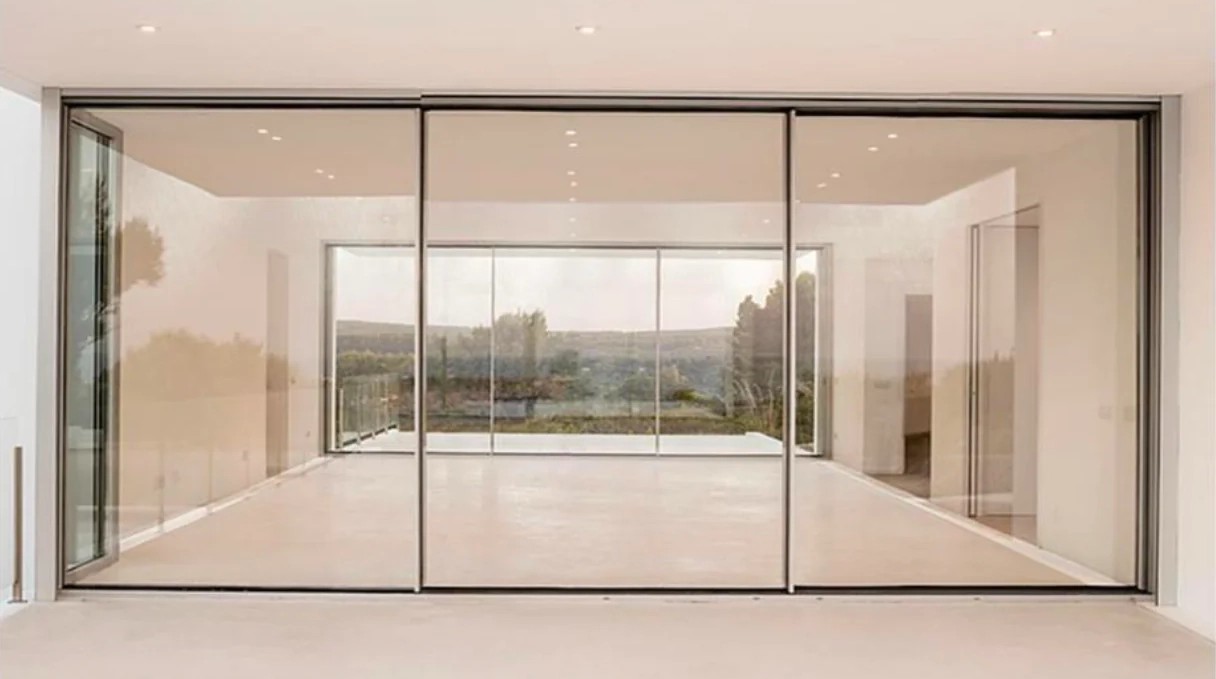
Floor-to-ceiling bi-fold panels with narrow vertical mullions create a gallery-like effect that puts landscape or garden views front and center. This configuration works best when you have a strong exterior focal point such as a pool, mountain view, or mature landscaping.
The key specification here is the panel height. Standard interior doors top out at 6 feet 8 inches, but floor-to-ceiling bi-fold systems commonly run 8 to 10 feet or taller depending on your ceiling height. At these heights, the glass weight increases significantly. A 10-foot panel with double-pane low-E glazing can weigh 150 to 200 pounds per panel, so the track and roller hardware must be rated accordingly.
For desert climates like Las Vegas, specify a Solar Heat Gain Coefficient (SHGC) of 0.25 or lower on floor-to-ceiling glass to prevent excessive solar heat gain, per ENERGY STAR climate zone requirements. The NFRC (National Fenestration Rating Council) label on each panel will confirm this specification.
2. Corner Bi-Folds That Eliminate the Center Post
Corner bi-fold systems remove the structural post where two glass walls meet, freeing two sightlines simultaneously. This is the signature move for homes with patios or outdoor entertaining areas that wrap around a corner of the building.
The engineering challenge is transferring the structural load from the eliminated corner post to a reinforced header above. This requires a steel or engineered beam sized by a structural engineer based on the span and load above. The additional header cost typically adds $2,000 to $5,000 to the project depending on span width, but the visual payoff is substantial.
Corner bi-folds work particularly well on new construction where the header can be designed into the plans from the start. Retrofitting a corner system into an existing home requires more structural investigation but is achievable with proper engineering.
3. Multi-Fold Sets That Stack Completely to One Side
Multi-fold configurations with four to eight panels tuck entirely to one side of the opening, creating a large, completely unobstructed threshold for entertaining and indoor-outdoor living. When fully open, a six-panel multi-fold set can approach 90 percent clear opening width per FGIA (formerly AAMA) standards.
The decision point here is stack direction and location. Panels stacking to the left or right affect furniture placement, wall space, and foot traffic patterns. For frequent use, specify a dedicated traffic door or an asymmetric layout with one 30- to 36-inch leaf that swings independently. This avoids folding the entire system just to step outside for a moment.
Plan panel placement carefully. Each panel in a multi-fold set needs clearance space when stacked, and the stack itself projects into either the interior or exterior space. Confirm stack depth with your supplier before finalizing the layout.
4. Glazed Interior Bi-Folds for Light Without Losing Privacy
Not every bi-fold doors idea involves exterior walls. Glazed interior bi-fold panels replace traditional closet doors, room dividers, or office partitions to bring natural light into hallways and interior rooms while maintaining visual separation when closed.
Interior bi-folds are lighter, less expensive, and easier to install than exterior systems. Standard interior heights of 80 or 96 inches with slab widths between 24 and 42 inches cover most applications. A basic interior bi-fold kit for a closet opening costs $150 to $500 installed, while glazed interior systems with aluminum frames and frosted glass run $800 to $2,500 depending on size and finish.
Consider frosted or reeded glass for home offices where you want daylight transfer without full visibility. For open-plan homes, a glazed bi-fold partition can define a dining area or reading nook without the permanence of a solid wall.
5. Bi-Folds With Integrated Blinds Between Glass
Bi-fold systems with blinds sealed between the glass panes provide privacy and solar control without adding curtains, shades, or any external window treatments. The blinds operate via a magnetic slider or motorized control and never collect dust because they are sealed inside the insulating glass unit (IGU).
This configuration is ideal for bedrooms, bathrooms, or street-facing living areas where privacy is needed at specific times. The integrated blinds add approximately $100 to $300 per panel to the cost compared to standard glazing, but eliminate the ongoing expense and maintenance of external window treatments.
When specifying integrated blinds, confirm the IGU warranty covers the blind mechanism. Some manufacturers warrant the glass for 20 years but the blind mechanism for only 5. Ask for the full component warranty breakdown before ordering.
6. Slim-Frame Aluminum Bi-Folds With Thermal Breaks
Aluminum profiles deliver the thinnest sightlines available while providing the structural strength to support tall, heavy panels. The critical specification is the thermal break, a non-conductive barrier within the aluminum frame that prevents heat transfer through the metal.
Without a thermal break, an aluminum frame becomes a thermal bridge that conducts heat directly between exterior and interior. The NFRC rates thermally broken aluminum frames with U-factors as low as 0.30, compared to 0.60 or higher for non-broken aluminum. In hot climates, this difference translates to measurable energy savings. The DOE estimates that ENERGY STAR certified windows and doors can save the average household $200 to $600 per year on energy bills depending on the climate zone and what they replace (per ENERGY STAR 2025 Key Messages; this figure is updated annually by the DOE, so verify the current range at energystar.gov before publishing).
When comparing aluminum bi-fold suppliers, ask for the frame U-factor separately from the glazing U-factor. Some quotes only list the center-of-glass number, which is always better than the whole-unit number that includes frame performance.
7. Bi-Folds Paired With Fixed Panels or Transoms
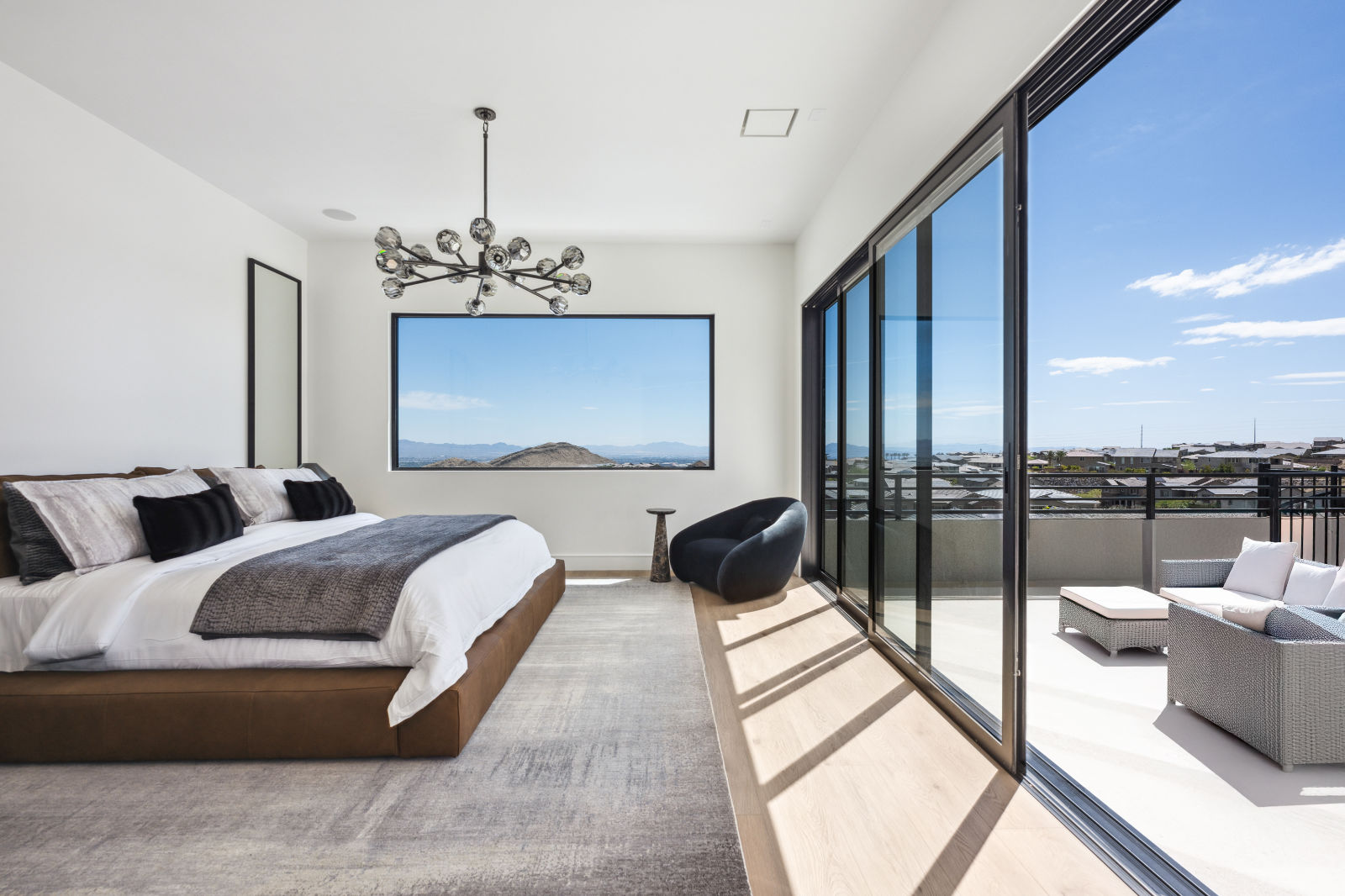
Combining operable bi-fold panels with fixed sidelites or transom windows above maximizes the total daylight entering a room while keeping the structural requirements manageable. The fixed panels do not need the same track, roller, and pivot hardware as the operable sections, so they can use thinner frames and larger glass units.
A common configuration pairs four operable bi-fold panels below with a continuous fixed transom above the header line. The transom adds height and visual drama without increasing the weight or complexity of the bi-fold mechanism. This approach also allows natural ventilation through the bi-fold opening while maintaining the light benefits of the full glass wall when the panels are closed.
For rooms with 10- to 12-foot ceilings, a bi-fold-plus-transom design can fill 80 percent or more of the wall plane with glass, creating a dramatic architectural statement that performs well thermally when specified correctly. For more on how glass shapes modern interiors, see Raven’s guide to designing with glass.
How to Choose the Right Size and Panel Configuration
Start with accurate measurements of your rough opening. Allow 1/2 to 1 inch of tolerance around the perimeter for shimming, track installation, and clearance. Individual panel widths should be no less than 16 inches for reliable operation, and no more than about 42 inches before weight becomes a handling concern.
Panel count determines your clear opening percentage. A four-panel exterior set yields roughly 85 percent clear opening. A six-panel set can approach 90 percent. More panels mean more hardware joints and more mullion lines interrupting the view, so there is a practical tradeoff between opening size and visual simplicity.
For exterior systems, decide whether the panels stack to the interior or exterior of the building. Interior stacking is more common because it protects the stacked panels from weather, but it requires clear wall space inside. Exterior stacking keeps interior space free but exposes the stacked panels to the elements.
Confirm all stack locations, clearances, and traffic door positions before placing your order. Changes after fabrication are costly and add weeks to the timeline.
Materials and Hardware: What Holds Up Long-Term
Aluminum remains the material of choice for bi-fold patio doors because it combines the thinnest possible sightlines with the structural capacity to support large, heavy panels. Raven’s slim frame sliding door line is a strong example of this approach. With continuous thermal breaks and proper perimeter seals, modern aluminum bi-fold systems meet or exceed energy code requirements in every U.S. climate zone per ENERGY STAR standards.
Choose your glazing based on performance needs. Low-E coatings reduce solar heat gain and UV transmission. Argon or krypton gas fills between panes improve thermal insulation. Laminated glass adds security, sound control, and impact resistance. In desert climates, a low-E coating with a SHGC of 0.25 or below is the standard recommendation per the DOE’s ENERGY STAR program for Climate Zone 3B (which includes Las Vegas).
Higher-performance glass increases panel weight and cost. A standard double-pane low-E IGU weighs roughly 3.5 to 4 pounds per square foot per ASTM C1036 glass thickness specifications. Upgrading to a triple-pane or laminated unit can push that to 5.5 to 7 pounds per square foot. Confirm that your hardware’s published load ratings accommodate the total panel weight before ordering.
Specify your finish, threshold profile, and hardware brand during the design phase. Powder-coated aluminum finishes last 15 to 20 years in most climates per AAMA 2604/2605 coating specifications. Anodized finishes perform even better in high-UV environments. Your threshold choice (flush, ramped, or weather-rated) affects both aesthetics and water management, so match it to your project conditions.
Bi-Fold Doors Cost: What to Budget for Your Project
Bi-fold door costs vary significantly based on whether you are installing a simple interior closet system or a full exterior patio wall. Here is what to expect at each level.
Interior bi-fold doors for closets and room dividers typically cost $150 to $500 installed for standard sizes with basic hardware. Glazed interior systems with aluminum frames and decorative glass run $800 to $2,500 depending on panel count and finish.
Exterior bi-fold patio doors for 6- to 10-foot spans commonly range from $5,000 to $20,000 installed, including the frame, glazing, hardware, and professional installation. Premium materials, larger spans (12 to 16 feet), high-performance glazing, or custom finishes push costs into the $20,000 to $40,000+ range.
Key cost drivers include panel size and count, frame material (aluminum vs. wood vs. composite), glazing specification (double-pane vs. triple-pane, low-E coatings, laminated), hardware quality and brand, structural work (reinforced headers or lintels for wider openings), waterproofing, flashing, and exterior trim labor, and whether the installation is in new construction or a retrofit.
When comparing bids, insist on a line-item breakdown that separates frame, glass, hardware, and installation labor. If one quote is significantly lower than another, verify glass thickness, hardware brand, thermal break specification, and whether waterproofing and exterior trim are included. Missing items in a low bid almost always show up as change orders during installation. Contact Raven for a detailed quote with full line-item transparency.
Install or Hire: When Professional Installation Is Worth It
The decision between DIY and professional installation depends on three factors: panel weight, glass size, and how watertight the finished assembly needs to be.
Small interior bi-fold sets with hollow-core or lightweight panels are reasonable weekend projects for experienced DIYers. The basic sequence is: measure the rough opening, install the top track and pivot hardware, hang panels, adjust rollers, and verify smooth operation.
Exterior bi-fold systems with heavy glazed panels and weatherproofing requirements should be installed by professionals. The installation involves structural shimming, precise track leveling, perimeter flashing per AAMA 2400 (the standard for window and door installation), sealant sequences, threshold integration, and hardware calibration. Errors in any of these steps can lead to water intrusion, air leakage, or operational failure.
Professional installation also preserves your manufacturer warranty. Most bi-fold manufacturers require certified installation for their warranty to remain valid. DIY installation on an exterior system frequently voids the product warranty, which means a $15,000 door system has zero coverage if something fails.
Hire a professional for: panels over 150 pounds each, spans over 8 to 10 feet, any structural header work, exterior systems where waterproofing is critical, and any project where the manufacturer warranty requires certified installation.
How to Order Custom Slim-Frame Bi-Fold Doors
Retail bi-fold kits from home centers work well for standard interior openings where sizes and finishes are typical. But they limit maximum panel sizes, glazing performance, and frame profiles. For exterior systems, large openings, or architecturally refined projects, a custom fabricator delivers a better result.
When requesting quotes from custom fabricators, provide your rough opening dimensions and elevation photos so every bid is based on the same scope. Ask each supplier for:
- Profile width and frame section drawings
- Glazing U-factor and SHGC data (NFRC certified)
- Hardware brand, model, and published load ratings
- Threshold detail and weather-sealing strategy
- Finish options, color matching capability, and lead time
- Warranty terms for frame, glass, hardware, and installation
- Wind-rating and structural documentation for exterior openings
Raven Doors & Windows handles site measuring, CAD and engineered shop drawings, coordinated delivery, and certified installation for homes in the Las Vegas area. They provide finish samples, confirm hardware selections, and deliver a clear timeline and warranty scope before any work begins.
Ready to explore bi-fold doors ideas for your home? Request a site measure to get exact pricing, lead times, and specification recommendations based on your opening and performance requirements.
Frequently Asked Questions
Modern bi-fold doors with thermally broken aluminum frames and low-E glazing perform comparably to fixed windows of the same size. The NFRC rates the thermal performance of every certified door system. For hot climates, specify a SHGC of 0.25 or lower to control solar heat gain per ENERGY STAR climate zone criteria. For cold climates, prioritize a low U-factor (0.30 or below). ENERGY STAR certification confirms the system meets the DOE’s minimum performance thresholds for your climate zone.
Small interior bi-fold sets are manageable DIY projects. Exterior bi-fold systems with heavy glazed panels should be professionally installed. The installation requires structural shimming, precise leveling, perimeter flashing per AAMA 2400, and sealant sequencing. Most manufacturers also require certified installation to maintain their product warranty.
Aluminum with a continuous thermal break is the most popular frame material for exterior bi-fold doors. It offers the thinnest sightlines, the highest strength-to-weight ratio, and meets energy code requirements when thermally broken. Wood frames provide a warmer aesthetic but require more maintenance. Composite and fiberglass frames offer good thermal performance but typically have wider profiles than aluminum.
Bi-fold doors open 85 to 90 percent of the frame width compared to roughly 50 percent for standard sliding doors. This makes bi-folds the better choice for full indoor-outdoor connectivity and entertaining. Sliding doors have a smaller footprint when open (no stacking panels) and are generally less expensive for the same opening width. The best choice depends on how much clear opening you need and how you plan to use the space.